
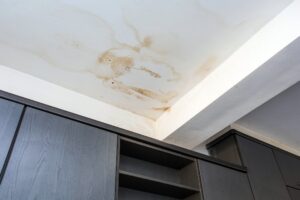
Understanding Moisture Damage: The Hidden Threat to Rental Property Value
When considering property damage, people often think of dramatic disasters such as fires or floods. Yet, there other things that can cause just as much damage without fanfare. Moisture damage falls into this category. It’s quiet, persistent, and easy to overlook, especially in rental properties, where early signs are often missed.
Everyday activities like cooking, bathing, and laundry release moisture into the air. Without proper ventilation, that moisture settles into walls, floors, and structural elements, slowly weakening the property and creating significant damage over time.
Ultimately, Moisture damage seldom remains minor. Even slight condensation or unnoticed leaks can lead to widespread issues, affecting both the property’s habitability and its market value.
Common Causes of Moisture Damage in Rental Properties
In a rental property, some of the common sources of moisture damage arise from everyday activities or gradually developing plumbing issues. Examples include:
- High Indoor Humidity: Routine living produces indoor moisture. Bathrooms lacking proper exhaust fans, kitchens with poor ventilation, and laundry rooms that trap steam all create elevated humidity levels.
- Small Leaks: Slow roof leaks, dripping pipes, and improperly sealed windows can persist unnoticed, with minor leaks causing damage over time inside walls or ceilings.
- Poor Ventilation and Airflow: Limited airflow and poor ventilation allow moisture accumulation, which is a leading cause of long-term moisture damage in rentals. Vulnerable spaces include bathrooms, basements, and attics.
- Seasonal Weather and Climate: Rain, snow, and humid conditions can increase moisture exposure. Ongoing maintenance and inspections are critical in these climates.
Long-Term Effects of Moisture Damage on Rental Properties
Even small amounts of moisture left unaddressed can trigger serious consequences, such as:
- Mold and Mildew Growth: Persistent dampness creates perfect conditions for mold, which can lead to resident complaints and potential legal concerns beyond cleanup costs.
- Poor Air Quality: Humid indoor air encourages worsening health conditions and contributes to increased liability due to the property’s declining habitability.
- Wood Rot and Structural Weakening: Gradual exposure to moisture damages wood structures and results in structural damage that may not be noticed until major repairs are required.
- Cosmetic damage: Issues like peeling paint or warped floors are often the first visible signs of deeper moisture problems, affecting tenant satisfaction and rental appeal.
Since moisture damage builds over time, fixes are usually more extensive and expensive if ignored. Proactive property inspections remain a crucial priority for rental property owners.
Proven Moisture Prevention Strategies for Landlords
Effective prevention is key to avoiding moisture-related property damage. It all starts with routine property inspections that spot condensation patterns and review ventilation systems to stop damage before it spreads.
Practical approaches for landlords include:
- Installing and maintaining proper ventilation
- Addressing leaks as soon as they appear
- Regular inspections in moisture-prone areas
- Checking and repairing exterior seals
Taking these preventative steps costs much less than large-scale moisture-related repairs and keeps your residents healthy and comfortable.
Protect Your Rental Property Investment from Moisture Damage
Even though moisture often goes unnoticed, its impact on rental properties can be severe. Structural damage and other costly issues may result if left unaddressed. By implementing proactive inspections and humidity prevention techniques, landlords can significantly reduce the risk and protect their investment.
Worried about hidden moisture issues in your rental property? Real Property Management Instant Equity is here to help! Our thorough inspections and upkeep services enable rental property owners in Johns Island to identify issues early, prevent moisture damage, and protect their property values. Contact us online or give us a call at 843-898-5743 to find out more.